21st
edition of Ramsons Bombe Mane
As
the monsoon is waning, nature is in the revival mode with every tree blushing
with happy green and getting ready for the winter which is just around the
corner. The first nine days of sharad-ritu, also called as ‘Sharannavaratri’
are the auspicious dates when the Goddess Durga is invoked in most households
across India in different avatars and rituals. She is offered love, respect and
worship with utmost devotion. In the east part of the country, she is adored as
the daughter who is returning to her mother’s home; in the west, she is
propitiated as a mother and her fertile womb (garbha) is worshipped with dance
and gaiety. Elsewhere, she is the warrior goddess. But closer home, she is
venerated as the divine girl. On the first day, she is six years old, on the
second, she is seven and so on… On the tenth day, Vijayadashami, she is
Shodashi or sixteen years old.
In
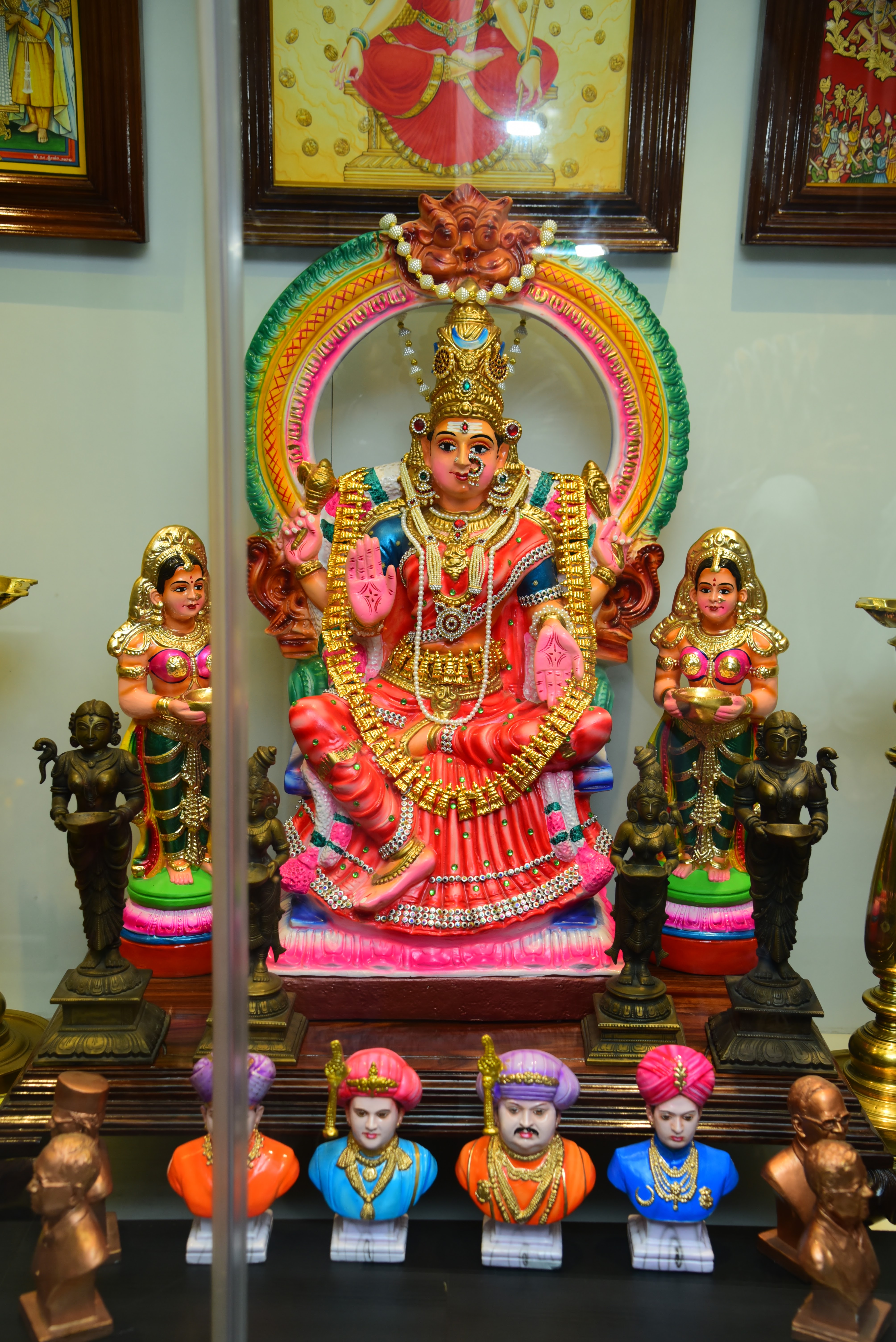
South India, the Goddess is a child who loves dolls. Each and every doll in the
house is neatly, aesthetically arranged on a tiered pedestal and offered for
the divine child for her pastime. This is the celebrated ‘Bombe Habba’ of
Mysore. Renaissance of this doll festival of Mysore happened in October 2005
when Ramsons first organised Bombe Mane. Thousands of dolls from across the
country are sourced and specially designed for this exhibition for the past 21
years. Dolls that mirror the aesthetics and cultural sensibilities of our
hallowed land are handpicked for best craftsmanship and quality. Dolls made of
clay, paper, cloth, wood, metal, glass and ceramics have been diligently
collected and displayed at the ‘Ramsons Bombe Mane’ exhibition.
In
keeping with the tradition, Ramsons design team has designed new doll-dioramas
depicting the private royal Dasara celebrations within the palace like
Saraswati Puja, Pada puja, Shami Puja, Ayudha Puja, and Vahana Puja. Inspired
from the Mysore style paintings, Goddesses Meenakshi, Kamakshi, Vishalakshi,
Indrakshi and Gayatri have been created as beautiful paper mesh dolls. Many
more new dolls are going on display along with the regular fare of dolls.
This
year, the special display section has three dioramas depicting different facets
of the much loved and worshipped Hanuman. Across India, the orange coloured
deity of the simian god is invoked for strength, fearlessness, oratory,
knowledge, intelligence, friendship and utter devotion. One can behold this
beloved god in his different avatars at ‘Hanumad Vilasa’.
21£Éà CªÀvÀgÀtÂPÉAiÀÄ GzÁÏl£Á ¸ÀªÀiÁgÀA¨sÀ£ÀªÀgÁwæ ºÀ§â §AvÉAzÀgÉ ªÀģɪÀÄA¢UÉ®è GvÁìºÀ, D£ÀAzÀ.
ªÀÄPÀ̽UÉ ±Á¯É¬ÄAzÀ gÀeÁ ¹UÀĪÀ RĶAiÀÄ eÉÆvÉUÉà UÉÆA¨ÉUÀ¼ÉÆqÀ£É DlªÁqÀ®Ä,
CªÀÅUÀ½UÉ ¥ÀÆf¸À®Ä zÉÆqÀتÀgÉà M¦àUÉ ¤ÃrzÁUÀ®AvÀÆ ¸ÀéUÀð ªÀÄÆgÉà UÉÃtÄ.
UÉÆA¨ÉUÀ¼ÉÆqÀ£É DlªÁqÀÄvÁÛ, CfÓ ºÉüÀĪÀ PÀxÉUÀ¼À£ÀÄß PÉüÀÄvÁÛ, PÀxÉUÀ¼À°è
§gÀĪÀ ¸ÀAzÀ¨sÀðUÀ¼À£ÀÄß CtQ¸ÀĪÀ UÉÆA¨É-zÀȱÀåUÀ¼À£ÀÄß eÉÆÃr¸ÀÄvÁÛ ¨É¼ÀVAzÀ
¸ÀAeÉAiÀiÁUÀĪÀÅzÉà UÉÆvÁÛUÀĪÀÅ¢®è. gÁd-gÁtÂAiÀÄjUÉ ºÉƸÀ §mÉÖ Gr¸À®Ä vÁ¬ÄUÉ
¸ÀºÁAiÀÄ ªÀiÁqÀĪÁUÀ ¹UÀĪÀ ¸ÀAvÉÆõÀ ªÀÄPÀ̽UÉ C¥ÁgÀ. ªÀÄ£ÉAiÀÄ°è£À ªÉÄÃdÄ,
¸ÀÆÖ®Ä, ºÀ®UÉ, ªÀÄuÉUÀ¼À£ÀÄß ºÀeÁgÀzÀ DAiÀÄPÀnÖ£À eÁUÀzÀ°è ªÉÄnÖ®ÄUÀ¼ÀAvÉ
eÉÆÃr¸À®Ä vÀAzÉUÉ ¸ÀºÁAiÀÄ ªÀiÁqÀ®Ä £ÁªÀÄÄAzÀÄ vÁªÀÄÄAzÀÄ JAzÀÄ ¸ÉÆÃzÀgÀ ¸ÉÆÃzÀjAiÀÄgÉÆqÀ£É
dUÀ¼ÀªÁqÀĪÀÅzÀÄ ¸ÁªÀiÁ£Àå. F UÉÆA¨É ºÀ§âzÀ ºÀvÀÆÛ ¢£À ¸ÀAeÉAiÀÄ°è CPÀÌ¥ÀPÀÌzÀ
ªÀÄ£ÉUÀ¼À°è eÉÆÃr¹gÀĪÀ UÉÆA¨ÉUÀ¼À£ÀÄß £ÉÆÃqÀ®Ä NgÀUÉAiÀĪÀgÉÆqÀ£É ºÉÆÃV C°è
UÉÆA¨É DgÀwAiÀiÁzÀ £ÀAvÀgÀ ªÀÄ£ÉAiÉÆqÀw ¤ÃqÀĪÀ ¥ÀÄlÖ ¥ÀÄlÖ UÉÆA¨É ¨ÁV£ÀzÀ
PÀÄgÀÄPÀ®Ä wAr w£ÀÄßvÁÛ ªÀģɬÄAzÀ ªÀÄ£ÉUÉ ºÉÆÃV, F ªÀÄ£ÉAiÀÄ UÉÆA¨É ZÉ£Àß, D
ªÀÄ£ÉAiÀÄ ¤¥ÀàlÄÖ ZÉ£Àß, »A¢£À ªÀÄ£ÉAiÀÄ gÀªÉ GAqÉ ZÉ£Àß JAzÀÄ UɼÉAiÀÄgÉÆqÀ£É
ºÀgÀlÄvÁÛ vÀªÀÄä ªÀÄ£ÉUÀÆ UÉÆA¨É DgÀwUÉ §¤ßgÉAzÀÄ CªÀjUÉ OvÀt«vÀÄÛ ªÀÄ£ÉUÉ
Nr§gÀĪÀÅzÉà ªÀÄPÀ̽UÉ ¸ÀqÀUÀgÀ.
EAvÀºÀ ¸ÀqÀUÀgÀ, ¸ÀA¨sÀæªÀÄzÀ ¨ÉÆA¨É ºÀ§âPÉÌ ºÉƸÀ
¨ÉÆA¨ÉUÀ¼À£ÀÄß PÉƼÀî®Ä FUÀ zÀÆgÀzÀ HgÀÄUÀ½UÉ ºÉÆÃUÀĪÀ CªÀ±Àå«®è. £Ár£À «²µÀÖ
¸ÀA¥ÀæzÁAiÀÄUÀ¼ÀÄ ªÀÄvÀÄÛ PÀ¯ÉUÀ¼À C©üªÀÈ¢ÞUÁV PÀ¼ÉzÀ 55 ªÀµÀðUÀ½AzÀ C½®Ä ¸ÉêÉ
ªÀiÁqÀÄwÛgÀĪÀ gÁªÀiï¸À£ïì ¸ÀA¸ÉÜAiÀÄÄ `¨ÉÆA¨É ªÀÄ£É' ¥ÀæzÀ±Àð£ÀªÀ£ÀÄß 2005gÀ
zÀ¸ÀgÉAiÀÄAzÀÄ ªÉÆzÀ® ¨Áj DAiÉÆÃf¹vÀÄ. zÉñÀzÀ ªÀÄƯɪÀÄƯÉUÀ½AzÀ
¨ÉÆA¨ÉUÀ¼À£ÀÄß DAiÀÄÄÝ vÀAzÀÄ ªÉÄʸÀÆjUÀjUÁV MAzÉà ¸ÀÆj£Àr ¥ÀæzÀ²ð¹vÀÄ.
¨sÁgÀvÀzÀ ºÀvÀÄÛ ºÀ®ªÀÅ ¥ÁæAvÀåUÀ¼À ¸Á«gÁgÀÄ UÉÆA¨ÉUÀ¼À£ÀÄß £ÉÆÃrzÀ ªÉÄʸÀÆj£À
UÉÆA¨É ¦æAiÀÄgÀÄ ªÀÄÆPÀ«¹ävÀgÁzÀgÀÄ. ¥ÀæzÀ±Àð£ÀzÀ UÉÆA¨ÉUÀ¼À£ÀÄß ªÀÄ£À¸ÁgÉ
ªÉÄaÑzÀgÀÄ.
PÀ£ÁðlPÀ (ªÉÄʸÀÆgÀÄ, ZÀ£ÀߥÀlÖt, Q£Áí¼À),
vÀ«Ä¼ÀÄ£ÁqÀÄ (vÀAeÁªÀÇgÀÄ, ªÀÄzÀÄgÉÊ, PÀqÀ®ÆgÀÄ, ¥ÀÄzÀÄPÉÆÃmÉÖöÊ, PÁAaÃ¥ÀÄgÀA),
DAzsÀæ¥ÀæzÉñÀ (PÉÆAqÀ¥À°è, JnÖPÉÆ¥Àà), vÉ®AUÁt (¤ªÀÄð¯ï), ¥ÀÄzÀÄZÉÑÃj,
gÁeÁ¸ÁÛ£À (eÉÊ¥ÀÄgï, eÉÆÃzsÀ¥ÀÄgï), UÀÄdgÁvï, GvÀÛgÀ¥ÀæzÉñÀ (C°ÃUÀqsï, ªÁgÁt¹,
¸ÁgÀ£Áxï), ¥À²ÑªÀiï §AUÀ (PÀȵÁÚ£ÀUÀgï, ¨ÁAPÀÆqÁ, PÉÆïÁÌvÁ), ªÀĺÁgÁµÀÖç
(PÉÆïÁí¥ÀÄgÀ), MrñÁ ªÀÄvÀÄÛ PÉÃgÀ¼À - F 12 gÁdåUÀ½AzÀ ¸Á«gÁgÀÄ UÉÆA¨ÉUÀ¼ÀÄ,
UÉÆA¨É ¥ÀjPÀgÀUÀ¼ÀÄ F ¨ÁjAiÀÄ ¥ÀæzÀ±Àð£ÀzÀ°è UÉÆA¨É ¦æAiÀÄgÀ ªÀÄ£À¸ÀÆgÉUÉƼÀî®Ä
¸ÀeÁÓVªÉ. 21 ªÀµÀðUÀ¼À »AzÉ £ÀUÀgÀzÀ gÁªÀiï¸À£ïì PÀ¯Á ¥ÀæwµÁ×£ÀªÀÅ zÀ¸ÀgÉAiÀÄ
¸ÀAzÀ¨sÀðzÀ°è `¨ÉÆA¨É ªÀÄ£É' ¥ÀæzÀ±Àð£ÀªÀ£ÀÄß ªÉÆzÀ® ¨Áj DAiÉÆÃf¹vÀÄ. ªÀµÀð¢AzÀ
ªÀµÀðPÉÌ D ¥ÀæzÀ±Àð£ÀªÀÅ »jzÁUÀÄvÁÛ EAzÀÄ £Á®ÄÌ ªÀĺÀrUÀ¼À°è ºÀgÀrzÉ.
¨ÉÆA¨É
ªÀÄ£É 2025 gÀ «±ÉõÀ - `ºÀ£ÀƪÀÄzï «¯Á¸À'. ºÀ£ÀƪÀÄAvÀ£ÀÄ ¨sÀgÀwÃAiÀÄgÀjUÉ
CZÀÄѪÉÄZÀÄÑ. DvÀ£À ¨Á®°Ã¯ÉUÀ¼À PÀxÉUÀ½AzÀ »rzÀÄ gÁªÀÄ£À ¨ÉÃn, ¸ÀÄVæêÀ ¸ÀRå,
¹ÃvÁ C£ÉéõÀt, ®APÁ zÀºÀ£À, ¸ÀªÀÄÄzÀæ ®AWÀ£À, ¸ÉÃvÀÄ §AzsÀ£À, gÁªÀt ¸ÀAºÁgÀ,
gÁªÀÄ ¥ÀmÁÖ©üµÉÃPÀ F J®èzÀgÀ®Æè DAd£ÉÃAiÀÄ£À ¥ÁvÀæ C£À£Àå. ®PÁëAvÀgÀ ªÀÄA¢UÉ
ºÀ£ÀĪÀiÁ£ï ZÁ°Ã¸Á ¥ÀoÀtªÉAzÀgÉ ²æÃgÀPÉë. gÁªÀÄ-£ÁªÀÄ-d¥ÀzÀ ªÀÄÆwðªÉvÀÛAwgÀĪÀ
ºÀ£ÀƪÀÄAvÀ£À ««zsÀ ¨ÉÆA¨É-©A§UÀ¼À «²µÀÖ CAPÀtªÉà `ºÀ£ÀƪÀÄzï «¯Á¸À'. EzÀgÀ
eÉÆvÉUÉ ªÉÄʸÀÆgÀÄ avÀæ¥ÀlUÀ½AzÀ ¥ÉæÃjvÀªÁV ºÉƸÀzÁV gÀa¸À®ànÖgÀĪÀ UÁAiÀÄwæ,
«ÄãÁQë, PÁªÀiÁQë, EAzÁæQë ªÀÄvÀÄÛ «±Á¯ÁQëAiÀÄgÀ ¨ÉÆA¨ÉUÀ¼ÀÄ. ªÉÄʸÀÆgÀÄ SÁ¸Á
zÀ¸ÀgÁ ºÀ§âzÀ°è ªÀĺÁgÁtÂAiÀĪÀjAzÀ ªÀĺÁgÁdgÀ ¥ÁzÀ¥ÀÆeÉ, ¸ÀgÀ¸Àéw ¥ÀÆeÉ,
DAiÀÄÄzsÀ ¥ÀÆeÉ, ªÁºÀ£À ¥ÀÆeÉ ªÀÄvÀÄÛ ±À«ÄÃ¥ÀÆeÉAiÀÄ ¨ÉÆA¨É-zÀȱÀåUÀ¼ÀÄ F
ªÀµÀðzÀ ºÉƸÀ gÀZÀ£ÉUÀ¼ÀÄ. §¤ß, £ÉÆÃqÀ§¤ß gÁªÀiï¸À£ïì ¨ÉÆA¨É ªÀÄ£É.




 Posts
Posts


